
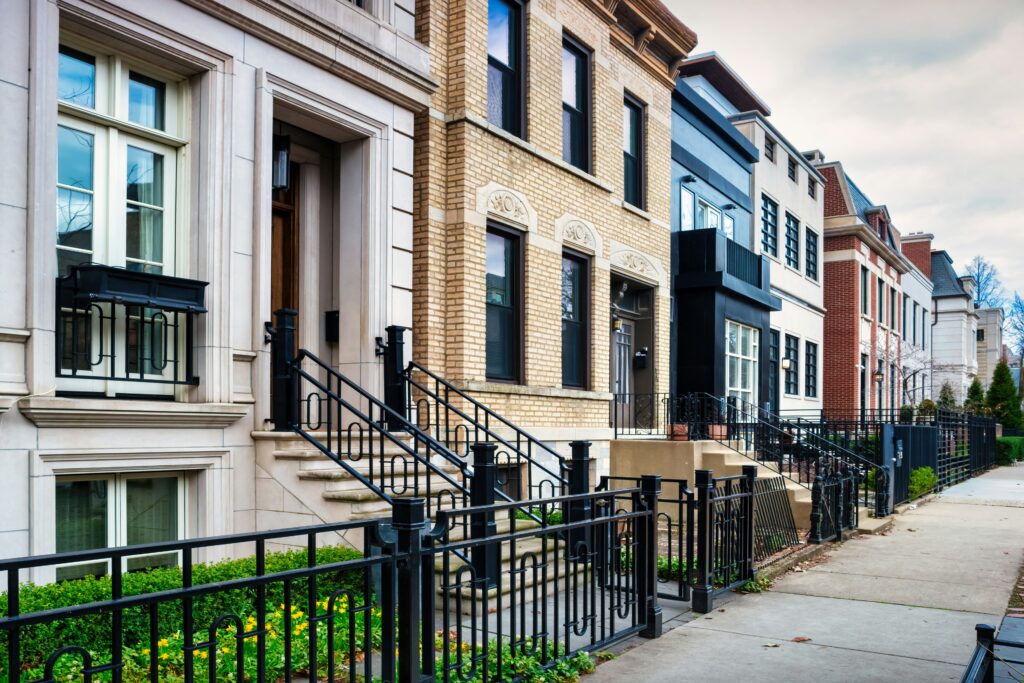
Chicago Residential Real Estate
Strategic guidance for buyers and investors navigating Chicago’s competitive housing market.
Understanding the Chicago Residential Market
Chicago’s housing market differs significantly from suburban communities. Buyers must evaluate condominium associations, property tax assessments, rental restrictions, building reserves, and neighborhood-level price trends before making a purchase decision.
From high-rise condos in River North to multi-unit properties in Logan Square and townhomes in the South Loop, Chicago offers diverse opportunities — but each comes with distinct financial and structural considerations.
Select Chicago Neighborhoods
Chicago’s residential landscape is defined by distinct neighborhoods, each offering a different lifestyle, price range, and investment profile. Buyers often focus on areas that align with their commute, long-term appreciation goals, and preferred living environment.
Some of the most sought-after neighborhoods include:
- West Loop
- Lincoln Park
- River North
- Logan Square
- South Loop
Each neighborhood presents different considerations in terms of building type, HOA structure, rental flexibility, and resale trends.
Condominium and Investment Considerations
Purchasing property in Chicago often involves additional layers of financial analysis. Buyers should review condominium association reserves, rental caps, special assessments, building financial health, and historical appreciation before submitting an offer.
For investors, evaluating projected rental income, cap rate potential, and long-term neighborhood development trends is essential. A disciplined review process helps avoid unexpected financial exposure and strengthens negotiation positioning.
Chicago real estate rewards preparation. Buyers who understand the financial structure of a property — not just its appearance — tend to make more confident long-term decisions.
Build a Strategic Plan Before You Buy in Chicago
Navigating Chicago’s residential market requires more than browsing listings. From evaluating condominium documentation to assessing long-term value and financing strategy, preparation is critical.
If you’re considering purchasing property in Chicago — whether as a primary residence or investment — schedule a consultation to review your goals, financial position, and neighborhood preferences in detail.